
Sustainable Materials Every Homeowner Should Consider
Home renovation fads change frequently, but the focus on sustainability has been going strong for some time now, and it is not likely to be changing soon. Designers, architects, builders, and contractors are paying more attention to the use of green materials to enhance the beauty of the home, while enhancing our planet. By using sustainable materials for your home renovation, you are minimizing waste and saving natural resources, while maximizing energy efficiency in your home - all while looking stylish and durable.
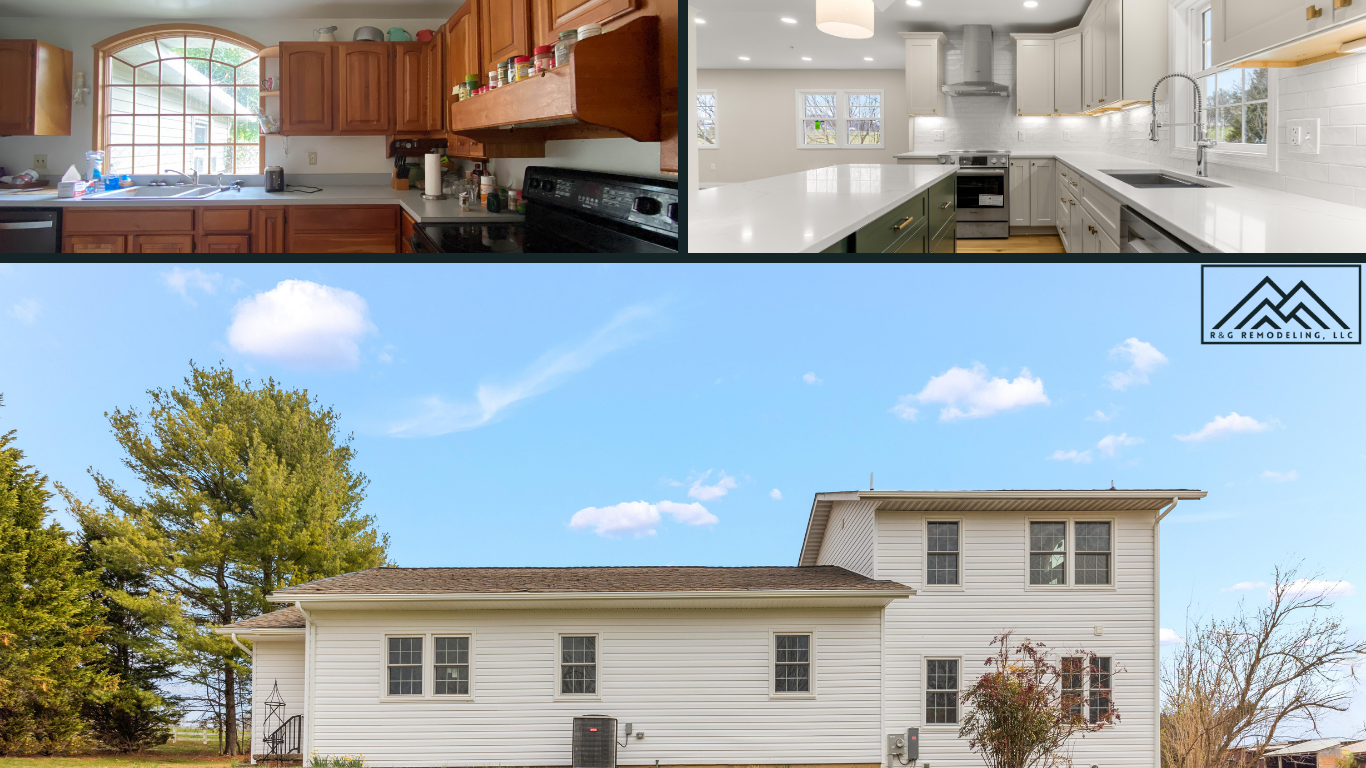
Since you are undertaking a larger home remodeling project, the right sustainable materials can affect the overall environmental impact and durability value to your project, whether it be a full house remodel, in updating the kitchen, or remodeling bathrooms.
1. Bamboo Flooring: A Renewable Favorite
Bamboo has become one of the most popular kinds of sustainable flooring material-and for good reasons. Bamboo is fast growing, unlike traditional hardwood, and can be harvested every few years without harming the plant. It is strong, stylish, and comes in several finishes, leaving a look that complements both modern and traditional interiors.
Maryland homeowners favor bamboo because it scores high in durability and easy maintenance. It is resistant to moisture, making it an excellent choice for humid areas like basements or kitchens. Bamboo can sustain a good appearance for as long as traditional hardwood flooring when properly sealed.
2. Recycled Countertops: Beauty with Purpose
Recycled countertops are an excellent environmentally friendly choice if you are renovating either a kitchen or a bathroom. Recycled countertops are generally a mixture of recycled glass, concrete, or even paper composites, thereby imparting unique texture and aesthetics.
Recycled countertops not only help divert solid wastes from landfills, but they are also sturdier in terms of heat and impact. Companies offering recycled surfaces usually use greener production techniques, thereby reducing emissions in the manufacturing. In the end, you have a cool-looking, highly functional, and exceptionally green surface for your home that carries the message of environmental consciousness.
3. Reclaimed Wood: Character Meets Sustainability
Another outstanding option for sustainable remodeling is reclaimed wood. When you repurpose wood from old barns, warehouses, or other buildings, you reduce the demand for newly harvested lumber. Reclaimed wood adds warmth and natural character to a space — no two pieces are the same and each has a history that no new product can replicate.
Reclaimed wood is great for accent walls, furnishings, beams, and even floors. Using reclaimed wood can contribute to the circular economy — it’s keeping a material that has already served a useful life out of the landfill — reusing it and providing another, possibly extended, life of use
4. Low-VOC Paints: Healthier Air for Your Home
Older paint formulations were known to give off VOCs that polluted the air inside houses and could irritate the respiratory system. Low-VOC and VOC-free paints represent sustainable options that contribute to creating healthful indoor living conditions.
Less harmful chemical emissions are the hallmark of such paints, and they come in an enormous variety of finishes and colors. Whether you are painting your walls or new cabinetry, the choice of low-VOC paints will allow you to relish an aesthetic outcome without compromising indoor air quality.
This simple switch will be an eco-friendlier alternative during the remodel and safer for your family!
5. Recycled Metal Fixtures and Hardware
Recycled aluminum, brass, or steel metal fixtures have a long life span and are extremely durable. They are the most eco-friendly types of the metals because they require less energy than the original new metals in producing and can be recycled again at a later stage into another product-they are the true eco-circular material.
The best thing about recycled metal is that it can be used anywhere-from lighting, cabinet handles, railings, or even just an accent. It is modern and chic enough to enhance any room while contributing toward a greener home.
6. Cork Flooring: Comfort and Eco-Friendliness Combined
This was another renewable resource that is steadily gaining ground in sustainable home renovations.
The bark of cork oak trees is harvested in such a way as to allow for its regeneration, and as such, cork is naturally resistant to mold and mildew and pest infestation.
The soft, cushioned feel underfoot is prized, along with excellent sound insulation capabilities in bedrooms, living rooms, and offices. Cork flooring provides thermal insulation, helping to keep your home warm in winter and cool in summer, all while reducing energy bills.
7. Recycled Insulation Materials
Energy efficiency is a major component of sustainability, and insulation is a significant aspect of that. Instead of typical fiberglass insulation, consider recycled insulation that is made from denim, cellulose, or sheep's wool.
These choices are environmentally friendly, durable, and non-toxic to your health, and they work just as well or better than standard materials. Installing recycled insulation will help keep waste out of landfills, while also optimizing your home's thermal performance.
8. Sustainable Roofing Options
Sustainable roofing materials have the potential to create great impacts on the environment when used for larger remodeling projects by homeowners. Recycled metal roofing, cool roofs, and even green roofs (vegetated roofs) can give benefits for energy reduction and longevity of the roof.
Recycled metal roofing is both durable and highly reflective, thus lowering cooling expenses. Green roofs require complexity, but provide significant insulation and stormwater management benefits.
Building a Sustainable Future with Smart Remodeling Choices
It isn't just being sensitive to the environment in terms of choice for sustainable materials. It also invests in a home that keeps going, is rather functional, and provides a more healthy life for your family. Eco-remodeling is not only good for the earth but would also benefit the house in terms of resale value when selling it to potential buyers who have a passion for sustainable houses.
While remodeling your home, it is good to have a talk with the contractor about the preference for materials. Most of the customers have a clear understanding in their minds of what they want, and an experienced contractor brings exactly that into realization.
If you have been planning to remodel your home in Maryland, the amazing team of R & G Remodeling is on hand to help with every aspect of the work-from installation to finishing-using the materials of your choice to ensure you achieve quality and sustainability.
FAQs
1. What are the most sustainable materials for home remodeling?
Bamboo, cork, reclaimed wood, recycled metal, and low-VOC paints are among the most sustainable materials available for remodeling projects today.
2. Are sustainable materials more expensive than traditional ones?
While some eco-friendly materials may have a higher upfront cost, they often last longer and reduce energy expenses, making them a smart long-term investment.
3. How can I make my remodel more eco-friendly?
You can choose renewable or recycled materials, install energy-efficient appliances, and use low-VOC paints to reduce your remodel’s environmental footprint.
4. Does using sustainable materials affect home resale value?
Yes, sustainability is a growing trend in real estate. Homes with eco-friendly features and materials are increasingly appealing to buyers and can command higher resale prices.
5. Can R & G Remodeling work with materials I provide?
Absolutely. R & G Remodeling is a Maryland-based contractor that can work with your preferred sustainable materials to complete your remodeling project with precision and quality craftsmanship.