Top 10 Remodeling Mistakes and How to Avoid Them
Remodeling your home is exciting but it can quickly turn stressful if common mistakes aren’t avoided. From budget overruns to poor planning, many homeowners run into problems that could have been prevented with the right guidance.
At R & G Remodeling, we’ve seen first hand what works and what doesn’t. Here are the top 10 remodeling mistakes homeowners make and how you can avoid them to ensure a smooth, successful renovation.
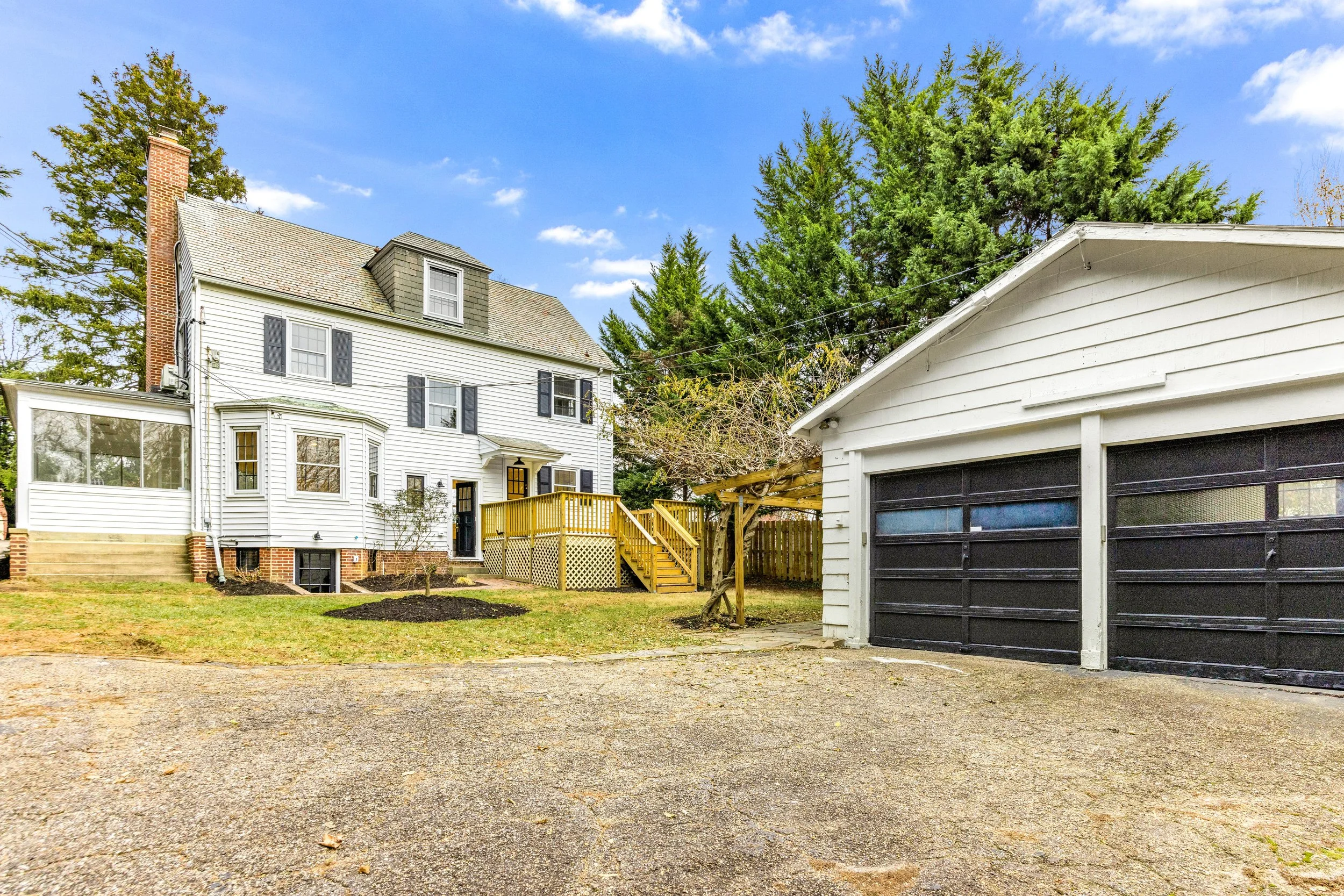
Home Remodeling
1. Starting Without a Clear Plan
The Mistake:
Jumping into a remodel without defining goals, layout, materials, or timeline.
How to Avoid It:
Before demolition begins, finalize:
Your design vision
Functional requirements
Budget range
Project timeline
A clear plan helps avoid delays, rework, and unexpected costs.
2. Underestimating the Budget
The Mistake:
Planning only for visible costs and ignoring hidden expenses like permits, structural repairs, or material price changes.
How to Avoid It:
Add a 10–20% contingency budget
Get detailed estimates upfront
Choose materials early to lock pricing
Transparent budgeting saves stress later.
3. Choosing the Cheapest Contractor
The Mistake:
Hiring based on the lowest bid without checking experience, quality, or reviews.
How to Avoid It:
Look for:
Licensed and insured contractors
Proven project experience
Clear communication and contracts
Quality work always delivers better long-term value.
4. Ignoring Permits and Local Codes
The Mistake:
Skipping permits to save time or money.
How to Avoid It:
Ensure your contractor handles:
Local building permits
Code compliance
Inspections
Unpermitted work can lead to fines, delays, or resale issues.
5. Following Trends Instead of Function
The Mistake:
Choosing designs that look great online but don’t suit your lifestyle.
How to Avoid It:
Balance style with practicality:
Think about daily use
Plan for storage and lighting
Choose durable materials
Timeless designs age better than short-lived trends.
6. Poor Communication During the Project
The Mistake:
Assuming the contractor “knows what you mean” without confirming details.
How to Avoid It:
Schedule regular check-ins
Ask questions early
Request progress updates
Clear communication prevents misunderstandings and rework.
7. Skipping the Design Phase
The Mistake:
Making design decisions on the fly during construction.
How to Avoid It:
Finalize:
Floor plans
Fixtures and finishes
Electrical and plumbing layouts
Proper design planning saves time and money.
8. DIY Where Professional Help Is Needed
The Mistake:
Trying to DIY complex tasks like electrical, plumbing, or structural work.
How to Avoid It:
DIY small cosmetic updates, but leave technical work to licensed professionals to ensure safety and compliance.
9. Choosing Low-Quality Materials
The Mistake:
Selecting cheap materials to cut costs upfront.
How to Avoid It:
Invest in:
Durable flooring
Quality cabinets
Reliable fixtures
Better materials reduce maintenance and replacement costs.
10. Not Planning for the Future
The Mistake:
Designing only for current needs and ignoring resale value or future lifestyle changes.
How to Avoid It:
Consider:
Energy-efficient upgrades
Universal design elements
Flexible layouts
Smart planning increases long-term value.
Final Thoughts
A successful remodel isn’t just about looks it’s about planning, quality, and execution. Avoiding these common mistakes can save you time, money, and frustration.
If you’re planning a renovation, working with experienced professionals makes all the difference.
R & G Remodeling is here to guide you from concept to completion with expert planning, quality craftsmanship, and transparent communication.
Contact us today to start your remodeling project the right way.

contact us